
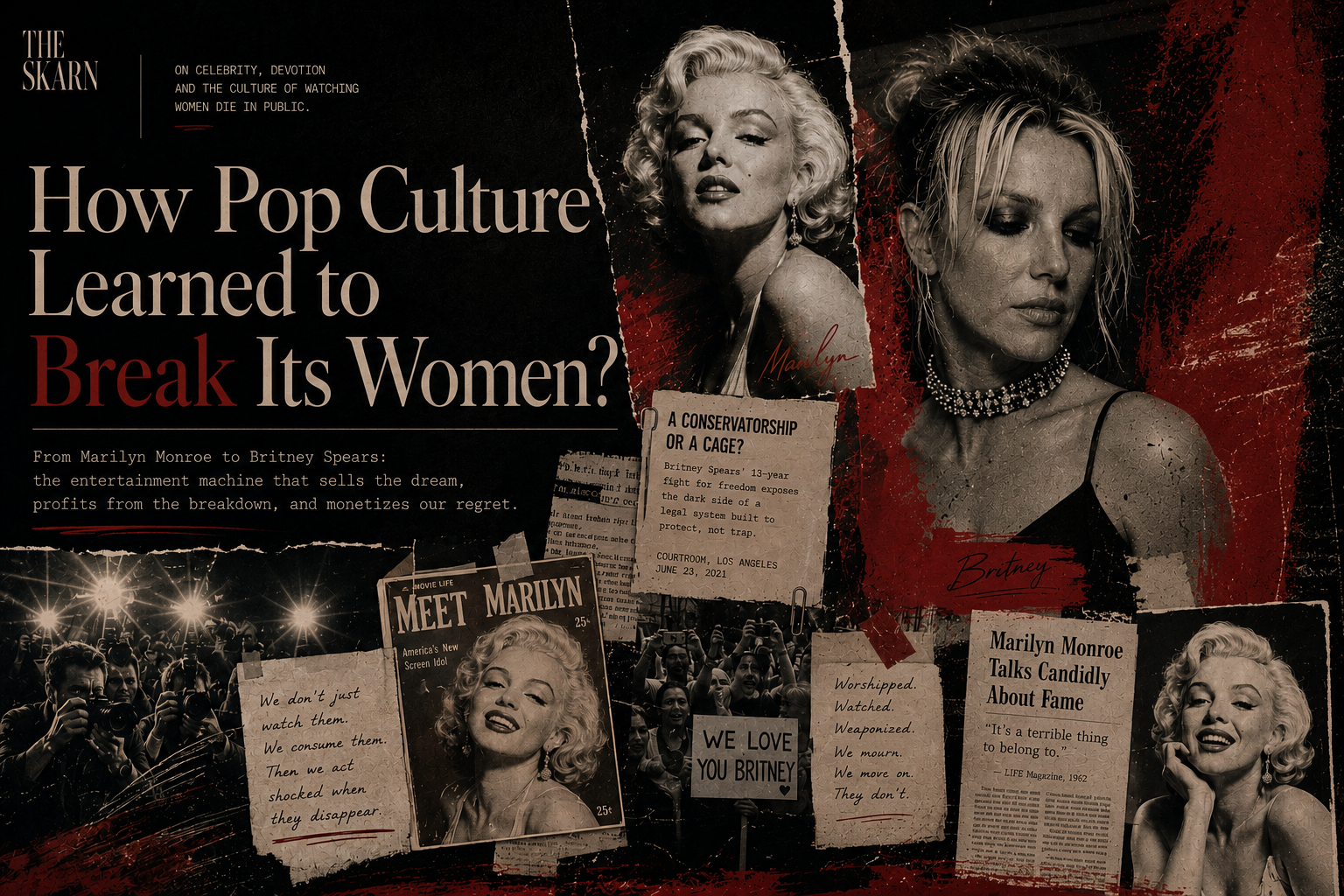
From Marilyn Monroe to Britney Spears, the public has always struggled to tell the difference between fascination and harm
In June 2021, Britney Spears spoke publicly in court about the conservatorship that had controlled much of her life for 13 years. Her statement was direct, angry and difficult to ignore. She described being unable to make basic decisions about her work, her body and her future. At one point, she said the sentence that would come to define the hearing: “I just want my life back.”
It was a simple request. That was what made it so disturbing.
For years, Britney Spears had been one of the most visible women in the world. Her career, relationships, motherhood, mental health and body had been covered with a level of intensity that often crossed from journalism into surveillance. She had been photographed in distress, mocked on television, turned into a punchline, and later reframed as a victim of a cruel media culture that many people had participated in.
Her story is often treated as a uniquely modern scandal: a product of paparazzi, tabloids, celebrity blogs and the internet’s appetite for collapse. But it belongs to a much older pattern.
Long before Britney, there was Marilyn Monroe.
Monroe and Spears were made by very different industries. Marilyn belonged to the Hollywood studio system of the 1950s, where actresses were shaped, sold and controlled by studios, photographers, gossip columns and publicists. Britney emerged from the late-1990s pop machine, where youth, sexuality and mass media combined with almost industrial force.
Still, the basic structure is strikingly familiar.
A young woman becomes famous. Her image becomes more important than her personhood. The public claims intimacy with her. The media turns her private life into a shared drama. Her attempts to resist or change the narrative are treated as instability. When she suffers, that suffering becomes content. Later, when the culture has decided it went too far, she is reintroduced as a tragedy.
The apology always arrives after the damage.
Marilyn Monroe remains one of the clearest examples of how fame can turn a woman into both an icon and a cage. She was not simply the passive blonde fantasy she is still sometimes reduced to. Monroe was ambitious, funny, strategic and serious about acting. She wanted better roles and more control over her career. In the mid-1950s, she challenged the limits of her studio contract and formed Marilyn Monroe Productions, a move that was unusually bold for a female star at the time.
That part of the story matters. Monroe was not destroyed because she did not understand the image-making machine. She understood it well. She also understood its limits.
The public wanted her to be sexy, but also innocent. Available, but not too powerful. Beautiful, but not demanding. Vulnerable, but not complicated.
Hollywood wanted her as a symbol of desire, but it was less comfortable with her as an artist who wanted authority. The public wanted her to be sexy, but also innocent. Available, but not too powerful. Beautiful, but not demanding. Vulnerable, but not complicated. These contradictions followed her throughout her career.
By the early 1960s, media coverage around Monroe increasingly focused on her absences, illnesses, delays and professional conflicts. She was described through the language of difficulty and instability. The woman beneath the image became harder to see. The story became easier to tell: beautiful, troubled, doomed.
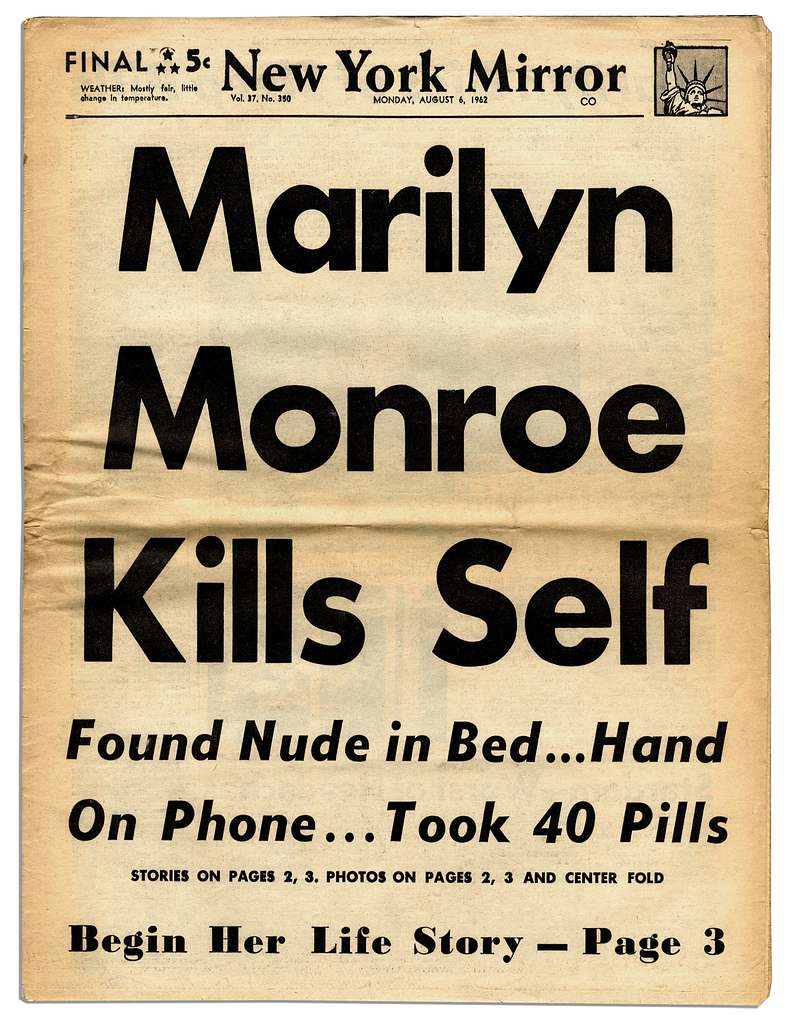
Then she died in 1962, aged 36, and the tone changed.
Death made Marilyn Monroe easier for the culture to love. It removed the difficult parts: the ambition, the lateness, the anger, the negotiations, the unfinished work, the discomfort of a living woman asking to be seen differently. What remained was the image. The white dress. The red lips. The soft voice. The tragic ending.
Monroe became more than a movie star. She became a symbol people could use for almost anything: glamour, loneliness, sexuality, sadness, Hollywood cruelty, female fragility, American fantasy. Her image has been endlessly reproduced, licensed, exhibited and reinterpreted. In death, she became safe. She could no longer contradict the myth.
Britney Spears’ story unfolded in a world where the machinery was faster, louder and more invasive.
From the beginning, her public image was built on contradiction. She was marketed as both innocent and sexually provocative. She was expected to appeal to young girls, male viewers, parents, advertisers and the music industry at once. The result was a public persona that attracted fascination and moral panic in equal measure.
By the early 2000s, the coverage of Spears had become openly judgmental. Interviews questioned her sexuality, her role-model status and her relationships. Her breakup with Justin Timberlake became a public trial in which she was often cast as the guilty party. As she moved from teen star into adulthood, the media seemed less interested in her music than in whether she was behaving correctly.
That question — whether a famous woman is behaving correctly — has always been central to the punishment of female celebrities.
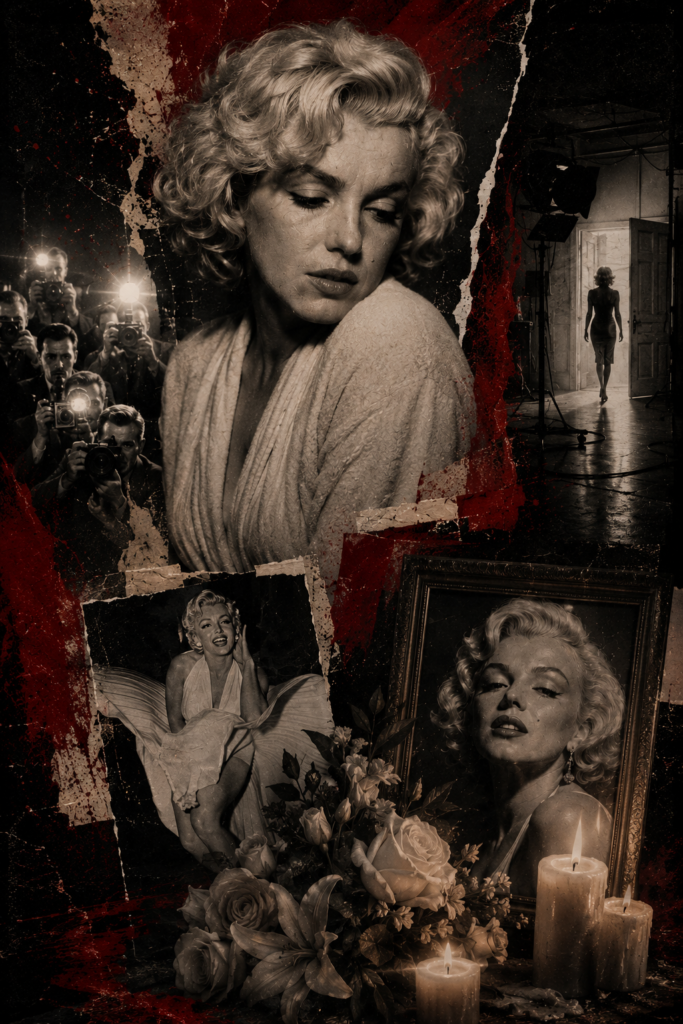
For women in the public eye, fame is rarely just about work.
For women in the public eye, fame is rarely just about work. It becomes a referendum on the body, the face, the voice, the romantic choices, the motherhood, the sexuality, the aging process and the ability to remain pleasant under pressure. A male star can be difficult, chaotic or self-destructive and still be treated as complex. A female star is more often treated as a problem to be solved.
In 2007 and 2008, Spears became the center of a relentless media storm. Her shaved head, custody struggles, paparazzi encounters and hospitalizations were covered as entertainment, even when they clearly involved distress. Images of her in crisis circulated everywhere. She was not simply watched; she was hunted.
What followed was the conservatorship, established in 2008. It placed major decisions about her life and finances in the hands of others. For more than a decade, Spears continued to work, release music, perform in Las Vegas and generate enormous revenue while living under a legal arrangement usually associated with people considered unable to manage their own affairs.

That contradiction became impossible to ignore.
If Spears was well enough to perform and support an entire commercial operation, why was she not considered capable of controlling her own life?
The #FreeBritney movement grew from that question. At first, many dismissed it as fan obsession or conspiracy thinking. But over time, the movement drew wider attention to the conditions of the conservatorship and helped push the case into mainstream public debate. In November 2021, the conservatorship was terminated.
It would be comforting to treat that moment as a clean ending. It was not.After Spears was freed from the legal arrangement, she remained trapped in another kind of public scrutiny. Her Instagram posts, videos and captions became objects of intense analysis. Fans and strangers searched for clues about her mental state, her freedom, her relationships and her wellbeing. Some of it came from genuine concern. Some of it repeated the same old assumption: that Britney Spears’ life was public property.
This is where the culture’s apology becomes complicated.
Sympathy can become another form of consumption.
In recent years, there has been a broad reappraisal of how famous women were treated in the 1990s and 2000s. Britney Spears, Janet Jackson, Lindsay Lohan, Paris Hilton, Amy Winehouse and others have all been reconsidered through the lens of misogyny, media cruelty and public shaming. The tone has changed. The language is more sympathetic now. The old jokes look uglier in retrospect.
But sympathy can become another form of consumption.
Documentaries, podcasts, essays and social media threads revisit the pain of famous women with a new moral seriousness, but they still depend on the same material: the breakdown, the interview, the humiliating photograph, the public mistake. The culture that once profited from destroying women can also profit from apologizing to them.
That does not mean these reappraisals are worthless. Many of them are necessary. They correct the record. They expose patterns that were ignored or normalized at the time. They help audiences understand that celebrity coverage is not harmless simply because its subjects are rich or famous.
But they also raise an uncomfortable question: when does looking back become another way of looking too closely?
The stories of Marilyn Monroe and Britney Spears show how easily public fascination can turn into control. Monroe was contained by the studio system and later by the mythology of her death. Spears was contained first by the pop industry, then by the media, then by a legal conservatorship, and finally by a public that still struggles to let her exist without interpretation.
The details are different. The pattern is not.
Both women were expected to perform versions of femininity that were almost impossible to sustain. They had to be desirable but not threatening, vulnerable but not unstable, powerful but not too powerful, successful but still grateful. When they tried to step outside those roles, the reaction was swift. Monroe became difficult. Spears became troubled.
For decades, pop culture has repeated the same ritual.
Those labels are not neutral. They are tools.

Calling a woman difficult can make her demands seem unreasonable. Calling her troubled can make her resistance seem irrational. Calling her tragic can make the forces around her disappear.
That is why celebrity culture is so good at producing myths and so bad at accountability. A myth does not need systems, contracts, headlines, photographers, managers, courts or audiences. It only needs a beautiful face and a sad ending.
But Marilyn Monroe was not just a sad ending. Britney Spears is not just a survival story. They are both reminders of what happens when a culture confuses access with intimacy.
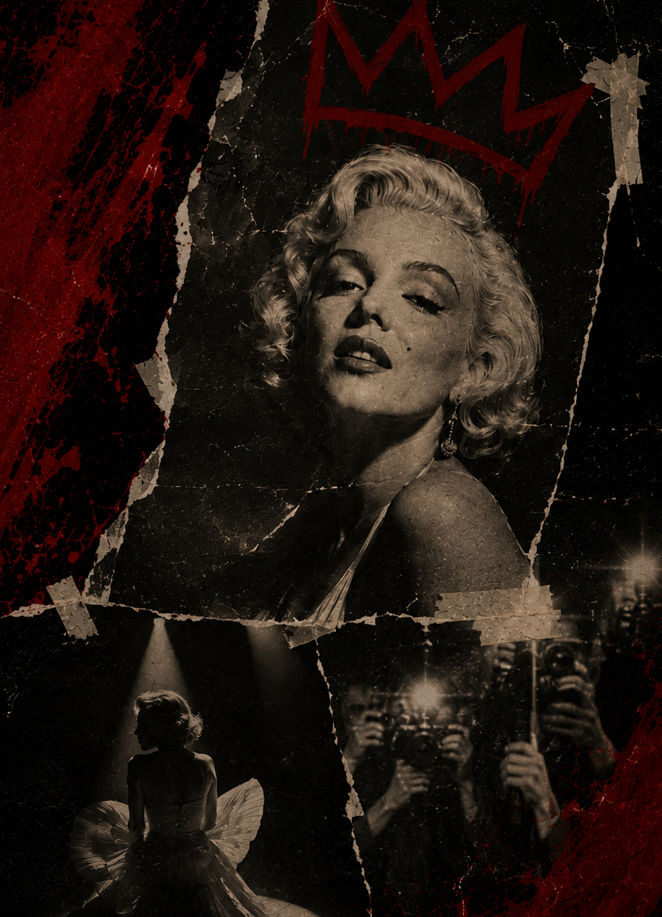
We do not know famous women because we have seen photographs of them crying. We do not understand them because we have watched documentaries about their pain. We do not own them because we once bought the album, the magazine, the movie ticket or the T-shirt.
The public often says it loves these women. Sometimes it does. But love without boundaries can look very much like possession.
That is the central problem. Celebrity culture invites audiences to feel close to people they do not know, then turns that false intimacy into a business model. The star becomes a shared emotional object. Her happiness is discussed. Her sadness is analyzed. Her mistakes are archived. Her body is monitored. Her silence is interpreted. Her death, literal or symbolic, becomes part of the brand.
Marilyn Monroe’s afterlife shows how profitable a woman can become once she is no longer alive to resist the uses of her image. Britney Spears’ adulthood shows how difficult it is for a living woman to reclaim herself once the public has grown used to treating her as a story.
The lesson is not that we should stop caring about famous women. It is that we should be more honest about the difference between care and consumption.
Care does not require constant access.
Care does not turn distress into entertainment.
Care does not demand that a woman explain herself endlessly in order to be believed.
Care does not wait until the funeral to become respectful.
For decades, pop culture has repeated the same ritual. It builds women into icons, watches them struggle under the weight, then returns later to mourn what it helped create. The names change. The technology changes. The apology gets better. The appetite remains.
Marilyn Monroe became easier to love after she died.
Britney Spears had to fight to be treated as alive.
That should tell us something about fame, and about us.