
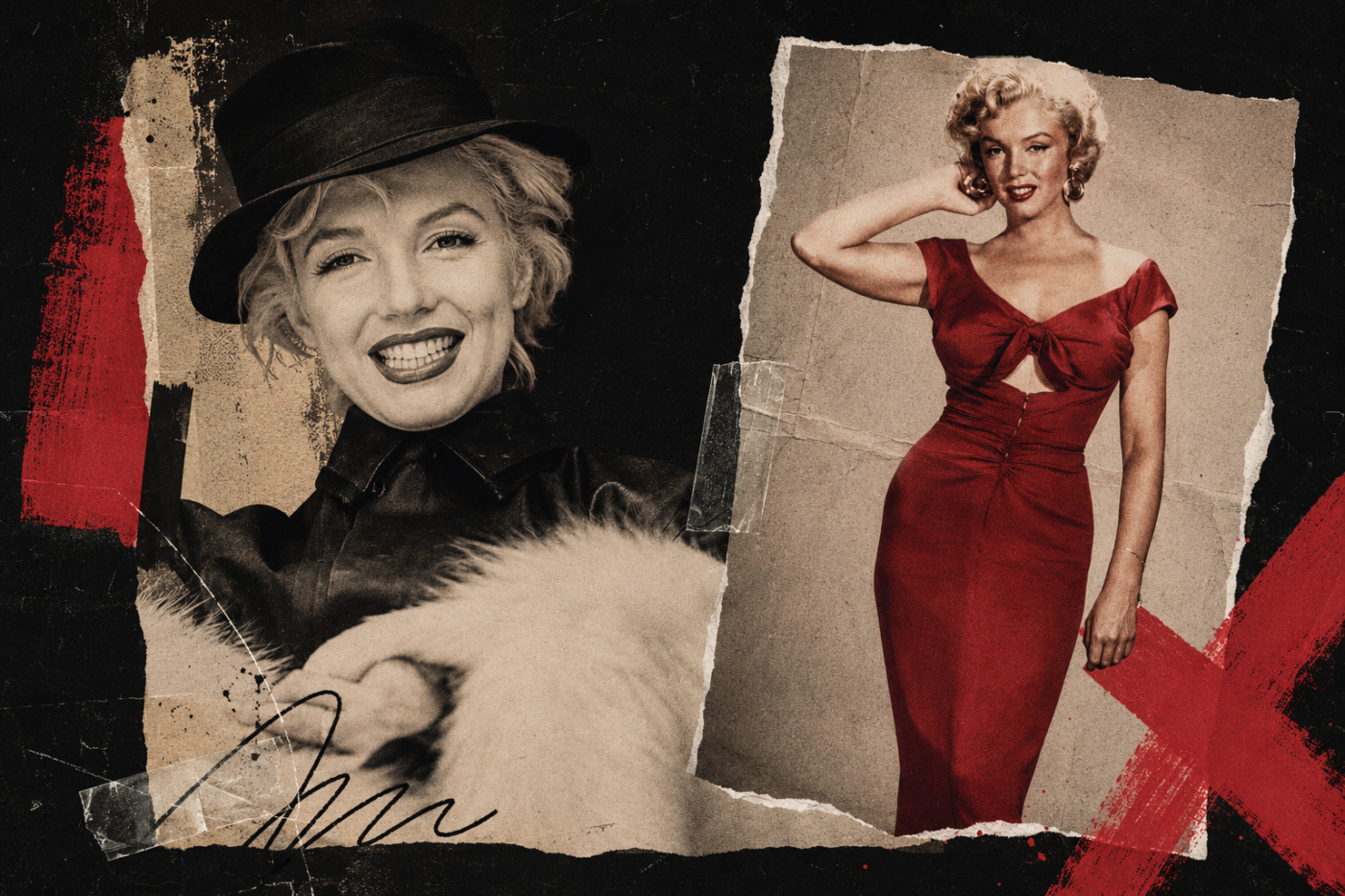
A new documentary reframes Marilyn Monroe’s legacy through her battle with endometriosis — and asks whether the woman long dismissed as difficult was, in fact, a woman in pain no one wanted to understand.
For decades, Marilyn Monroe’s pain has been treated as atmosphere. It has been folded into the mythology: the fragile blonde, the difficult actress, the tragic woman who could not survive fame. But the new documentary End of the Cycle asks for a different reading — not of Monroe as symbol, but of Monroe as a woman living with a debilitating illness in a culture that had little language, patience or medical imagination for female pain.

The film, which examines endometriosis through the stories of several women and can be watched online via The Endometriosis Collective, reframes Monroe’s legacy through her own hidden battle with the condition. It is a small shift with large consequences. Suddenly, the absences, hospital visits, miscarriages and professional conflicts that were so often described as evidence of instability look different. They become part of a medical history that was minimized, misunderstood and, in many ways, punished.
Endometriosis is not simply “bad periods.” It is a chronic condition in which tissue similar to the lining of the uterus grows outside it, often causing severe pain, infertility, fatigue and years of misdiagnosis. For Monroe, whose diagnosis was later confirmed through accounts connected to her doctor, the disease was not a footnote. It shaped her body, her work, her relationships and her longing for children.
One of the most devastating details revisited in the documentary is the note Monroe reportedly taped to her stomach before an appendectomy in 1952, pleading with her doctor not to remove her ovaries. The note cuts through the glamour with almost unbearable clarity. Behind the face reproduced endlessly on posters and magazine covers was a woman terrified that medicine would take from her the possibility of motherhood.
That fear rarely fits into the Monroe myth. Myths prefer clean images. They do not like chronic illness, reproductive grief, cancelled workdays or pain that cannot be made beautiful.
This is why End of the Cycle matters. It does not rescue Monroe from tragedy by turning her into a medical case. It complicates the story. It reminds us that what the industry called difficult may have been a woman trying to work through pain. What the press called unstable may have been exhaustion. What history turned into glamour may have been suffering without support.

A hundred years after her birth, Marilyn Monroe still belongs to the image machine. But this film asks us to look at what the image concealed.
Not the doomed blonde.
The woman in pain, asking to be believed.